Archives
- 2026-08
- 2026-07
- 2026-06
- 2026-05
- 2026-04
- 2026-03
- 2026-02
- 2026-01
- 2025-12
- 2025-11
- 2025-10
- 2025-09
- 2025-03
- 2025-02
- 2025-01
- 2024-12
- 2024-11
- 2024-10
- 2024-09
- 2024-08
- 2024-07
- 2024-06
- 2024-05
- 2024-04
- 2024-03
- 2024-02
- 2024-01
- 2023-12
- 2023-11
- 2023-10
- 2023-09
- 2023-08
- 2023-07
- 2023-06
- 2023-05
- 2023-04
- 2023-03
- 2023-02
- 2023-01
- 2022-12
- 2022-11
- 2022-10
- 2022-09
- 2022-08
- 2022-07
- 2022-06
- 2022-05
- 2022-04
- 2022-03
- 2022-02
- 2022-01
- 2021-12
- 2021-11
- 2021-10
- 2021-09
- 2021-08
- 2021-07
- 2021-06
- 2021-05
- 2021-04
- 2021-03
- 2021-02
- 2021-01
- 2020-12
- 2020-11
- 2020-10
- 2020-09
- 2020-08
- 2020-07
- 2020-06
- 2020-05
- 2020-04
- 2020-03
- 2020-02
- 2020-01
- 2019-12
- 2019-11
- 2019-10
- 2019-09
- 2019-08
- 2019-07
- 2019-06
- 2019-05
- 2019-04
- 2018-07
-
While high fat diet models of insulin resistance
2024-08-05
While high-fat diet models of insulin resistance are acceptable approaches for the study of pre-diabetes in humans, they are not suitable for modeling progression towards established type2 diabetes. The pattern of activation of the lipoxygenase pathway in pre-clinical models of type2 diabetes has no
-
Glycerol dehydratase GDHt EC is
2024-08-05
Glycerol dehydratase (GDHt, EC 4.2.1.30) is a key enzyme for the bioconversion of glycerol into the value-added chemicals and thereby has recently attracted a great deal of attention as an essential component for metabolic engineering . GDHt carries out a radical-mediated turnover of glycerol into 3
-
As regards feeding the ability to dissipate
2024-08-05
As regards feeding, the ability to dissipate surplus energy in the form of heat is beneficial for animals if the protein concentration in the food is low, since it allows them then to meet the adequate protein intake requirement without getting fat. Some of the major dietary activators of the AHR ar
-
The anorexic effect observed when AR is infused
2024-08-05
The anorexic effect observed when AR231630 is infused into the VTA could be the result of the DA release inhibition, as previously described [11]. However, there is also a hedonic aspect in feeding that possibly involves dopaminergic mechanisms of reward. Helm et al. showed a functional link between
-
Finally Urban Ciecko et al asked whether
2024-08-03
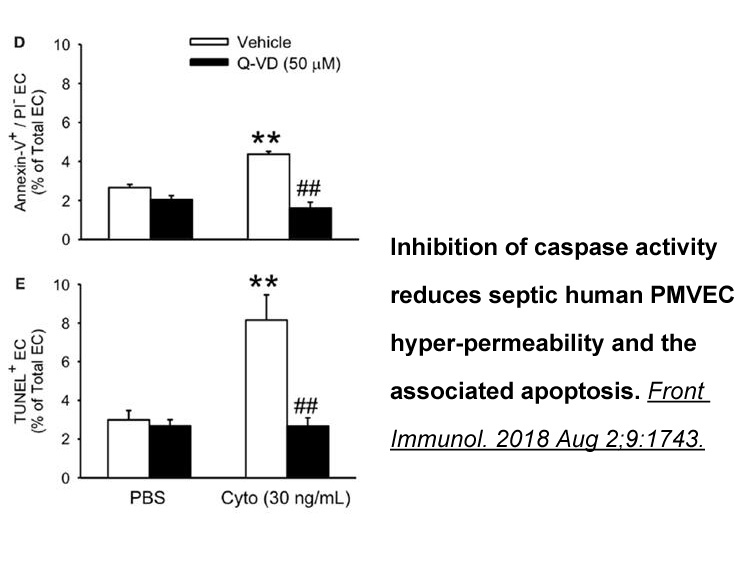
Finally, Urban-Ciecko et al. (2018) asked whether this enhancement is specific to the pyramidal to SST neuron synapses or more generally observed in other synapses of the cortical microcircuit. Synapses between pyramidal cells showed no sign of potentiation after either bath application of the choli
-
Our co IP data show that HT A or
2024-08-03
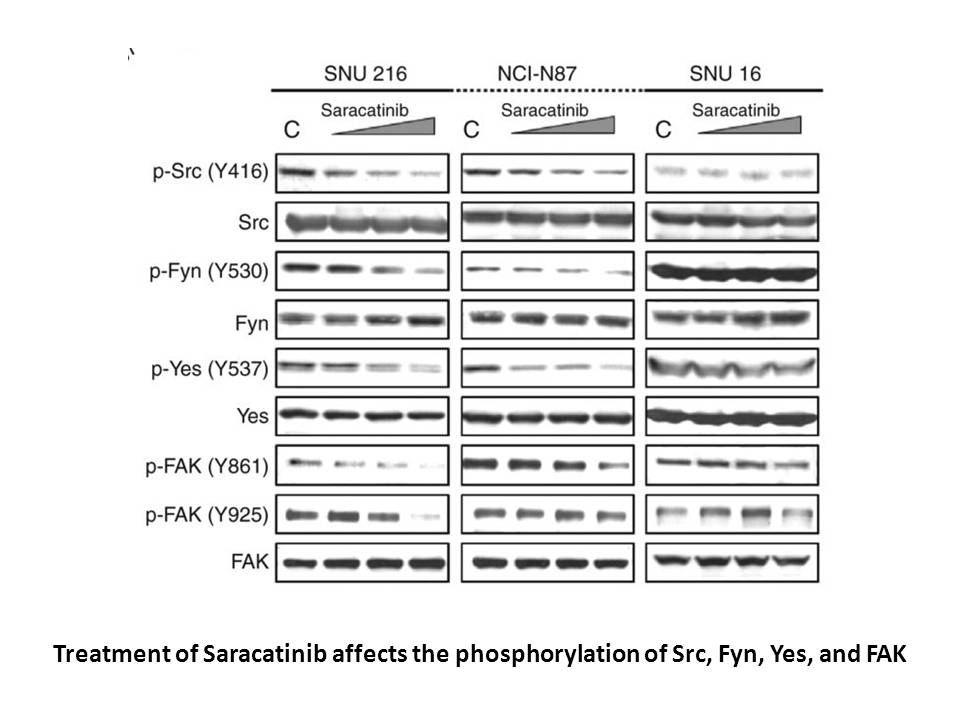
Our co-IP data show that 5HT1A or 5HT2A receptors do not heterodimerize with mGluR1α receptors. Given that both 5-HT and mGlu receptors are GPCRs and produce anxiolytic effects, a degree of cooperativity via a functional cross-talk may still exist between these receptors [11]. In addition to the fun
-
Our results showed suppressed autophagy in
2024-08-03
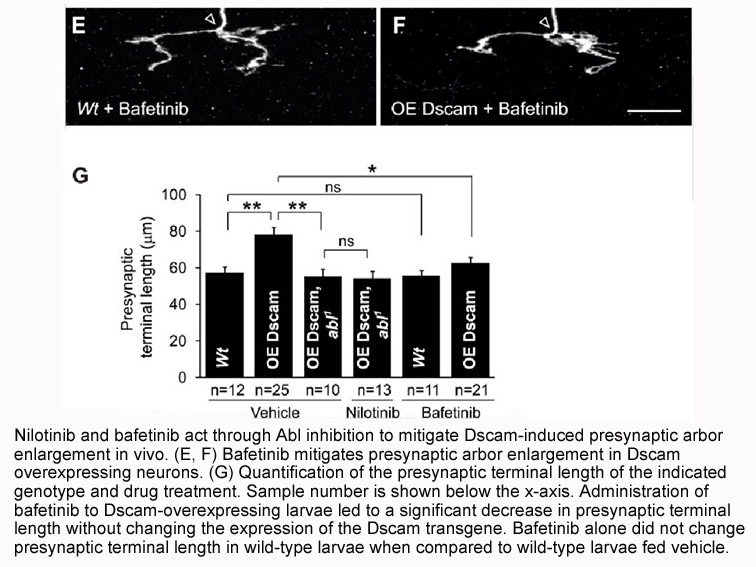
Our results showed suppressed autophagy in GECs under HAGG stimulation. Recently, people have paid more attentions on the roles of autophagy in lupus and tried to use autophagy regulators for therapy. Rapamycin could prevent the development of nephritis [49] and attenuate the established nephritis [
-
br Conflicts of interest br Acknowledgments The authors ackn
2024-08-03
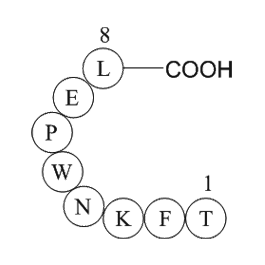
Conflicts of interest Acknowledgments The authors acknowledge National Institute for Medical Research Development (NIMAD) project no. 940943 and National Research Institute for Science Policy (NRISP) no. 1456 for financial support of this work. AM appreciates National Institute for Genetic Eng
-
br Acknowledgment This study was supported by Japan
2024-08-03
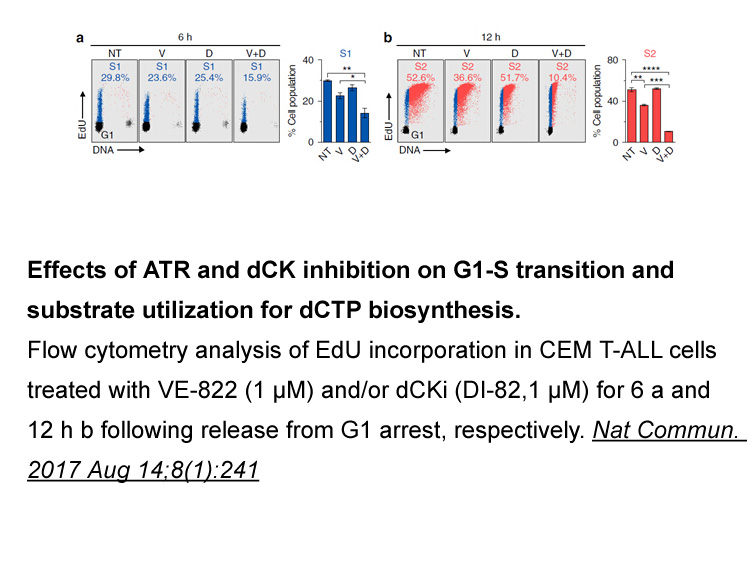
Acknowledgment This study was supported by Japan Society for the Promotion of Science Grants-in-Aid for Scientific Research (KAKENHI) [grant number 15K15031]. Introduction Glioma is the leading malignancy of astrocyte origin in the brain. The most aggressive, invasive, and destructive glioma
-
The mechanism governing how mechanotransduction signals regu
2024-08-03

The mechanism governing how mechanotransduction signals regulate a number of genes involved in cartilage hemostasis remains unclarified. Mitogen-activated protein kinase (MAPK) pathways are activated by static and dynamic compression of cartilage (31 32). c-Fos/AP-1 is downstream of the MAPK pathway
-
Later on Wayner Burton Ingold Barclay
2024-08-03
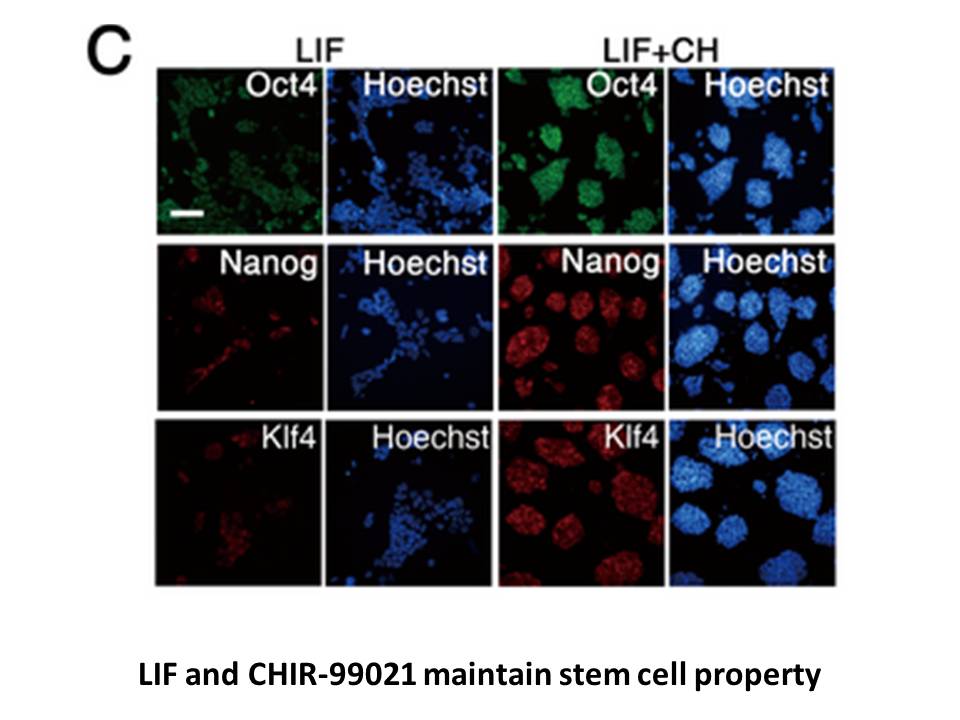
Later on, Wayner, Burton, Ingold, Barclay, and Locke (1987) modified the method by using lipid to examine the ability of an antioxidant punicalagin mg protect against lipid peroxidation generated by azo-compound. It was later improved using β-phycoerythrin (β-PE) as a fluorescent probe, and the abi
-
br Experimental All reagents were analytical grade and were
2024-08-03
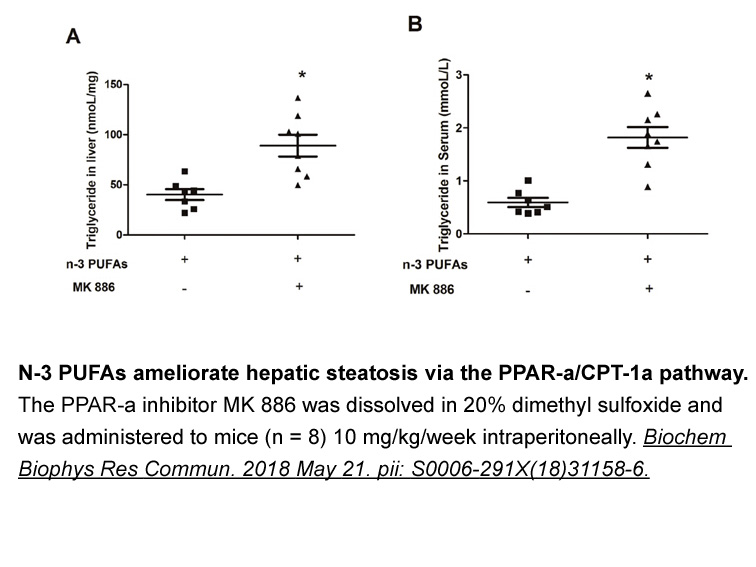
Experimental All reagents were analytical grade and were used without further purification. The morphology was characterized using a field emission scanning electron microscope (Philips XL-30 FESEMFeSEM, ZEISS SUPRA 40VP, Germany). The hydrogel sample used for SEM analysis was freeze dried. All e
-
Several combination studies have been performed using animal
2024-08-03

Several combination studies have been performed using animal models of mucormycosis, principally involving R. arrhizus. In two investigations using diabetic and/or neutropenic mice, a combination of a polyene with an echinocandin was shown to improve survival compared with monotherapies [25], [34].
-
br AhR Modulators It is now well recognized that
2024-08-02
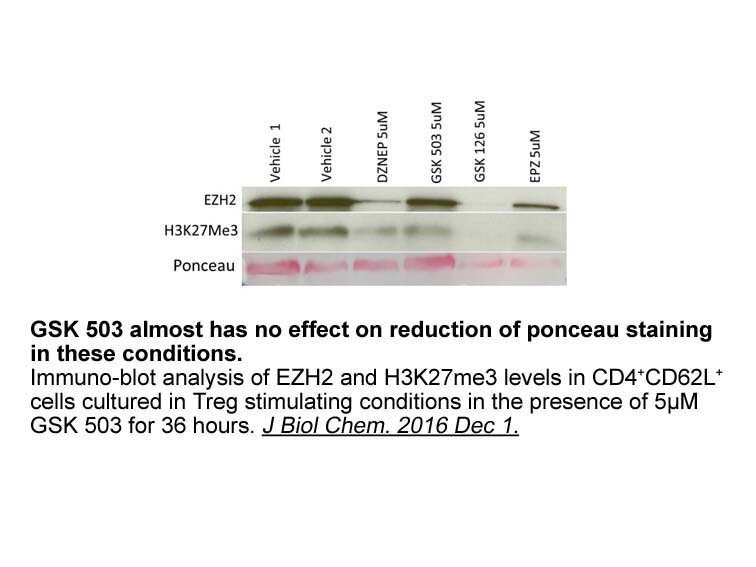
AhR Modulators It is now well recognized that ligand-activated AhR induces an immune tolerance response by acting directly on the antigen-presenting DCs and indirectly by increasing the population of immunosuppressive Tregs 24, 95, 96. In addition to inhibiting the formation or depleting the AhR
-
br Endocytosis of AdipoR Surface receptor activity may be sh
2024-08-02
Endocytosis of AdipoR1 Surface receptor activity may be shut down by endocytic uptake and subsequent lysosomal degradation of the proteins [20]. Clathrin-dependent endocytosis (CDE) has been extensively studied and internalization from the plasma membrane is mediated through clathrin-coated pits
15913 records 133/1061 page Previous Next First page 上5页 131132133134135 下5页 Last page